How Gas Line Problems Affect Fireplace Performance
Local service providers can diagnose and repair gas line problems that impact fireplace performance, ensuring safe, efficient, and reliable operation of your fireplace system.
Understanding how gas line problems affect fireplace performance is essential for property owners who rely on their fireplaces for warmth and ambiance. Issues with the gas line can lead to uneven flames, reduced heat output, or even safety concerns, making it important to identify and address these problems promptly. Property owners in the area who notice irregular fireplace operation or suspect gas line issues should explore this topic further to ensure their fireplaces function safely and efficiently.
Local contractors specializing in gas line repair are equipped to diagnose and resolve these issues, helping maintain optimal fireplace performance. Whether it’s a minor leak or a more complex problem with the gas supply, these service providers can assess the situation and recommend the appropriate solutions. Continuing to read can provide valuable insights into how gas line problems impact fireplace operation and highlight the importance of professional repair services in keeping fireplaces safe and reliable.
- Gas line repair - needed when fireplace performance is affected by gas leaks or inconsistent flow, with local contractors diagnosing and fixing line issues safely.
- Gas line replacement - required if old or damaged gas lines hinder fireplace operation, with service providers ensuring proper installation and connection.
- Gas pressure testing - performed when fireplace struggles to ignite or burns unevenly, with pros checking for pressure irregularities that impact performance.
- Leak detection services - utilized when there are suspicions of gas leaks affecting fireplace efficiency, with specialists pinpointing and repairing leaks promptly.
- Line rerouting and adjustments - necessary when existing gas lines interfere with fireplace placement or operation, with local pros modifying lines to optimize performance.
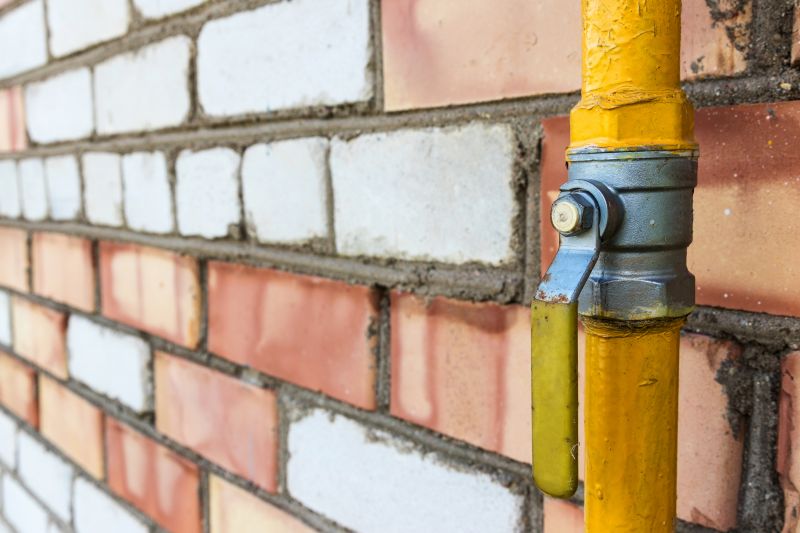
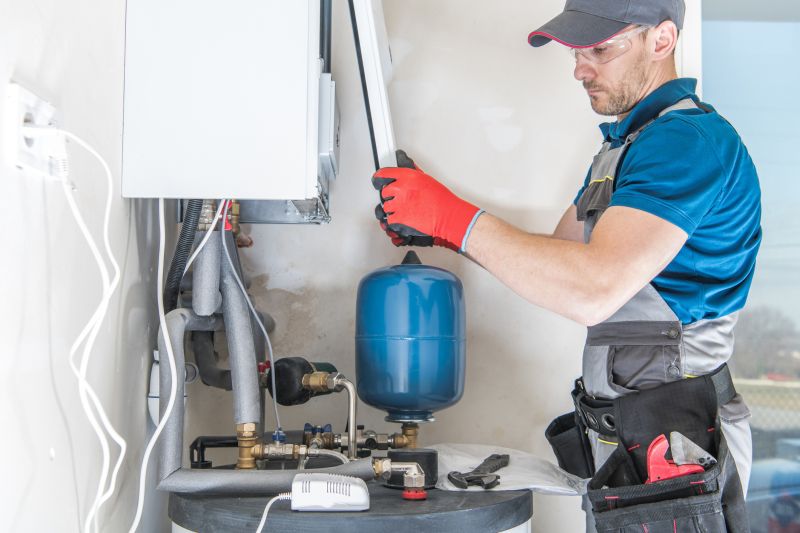
When homeowners search for information about how gas line problems affect fireplace performance, they are typically concerned about issues that lead to inefficient operation, safety concerns, or inconsistent heating. Many are experiencing symptoms like weak flames, uneven heat distribution, or strange noises coming from their fireplaces. These concerns often prompt questions about whether a faulty gas line could be behind the problem, especially if the fireplace is not functioning as smoothly as it used to. Understanding this connection helps homeowners identify whether a gas line issue might be the root cause of their fireplace troubles, and whether professional repair services are needed to restore proper operation.
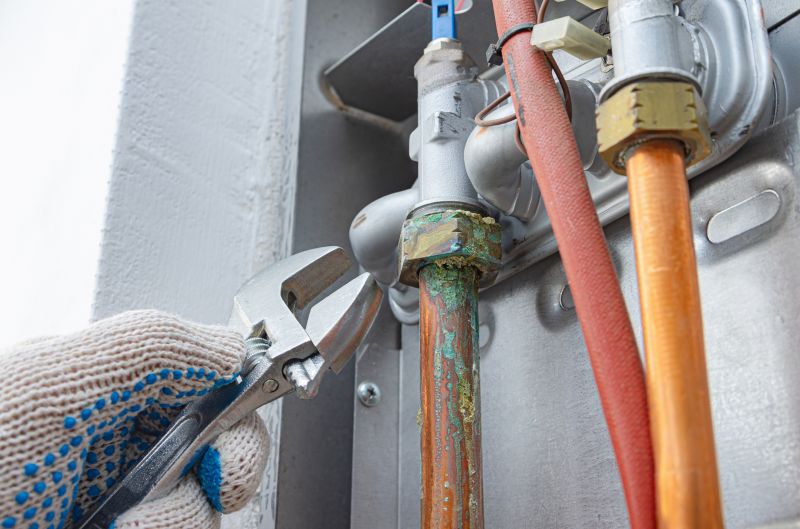
Gas line problems that impact fireplace performance can involve a range of issues. Common problems include gas leaks, blockages, or pressure irregularities that prevent the fireplace from receiving a steady, safe flow of gas. These issues can cause the flames to burn improperly-either too low, flickering, or producing excessive soot or smoke. In some cases, a damaged or corroded gas line can lead to safety hazards, such as gas leaks or the risk of fire. Recognizing these problems is essential for homeowners who notice their fireplace isn’t producing the expected warmth or has visible signs of malfunction, prompting the need for professional gas line inspection and repair.
The types of properties that typically encounter gas line problems affecting fireplace performance often include older homes, homes with recent renovations, or properties that have experienced plumbing or gas line work in the past. Residential properties with natural gas or propane fireplaces are most commonly affected, especially if the gas lines are outdated, poorly maintained, or have been damaged by shifting soil, corrosion, or accidental impacts. These issues can also arise in homes with custom or built-in fireplaces, where the gas supply system is integrated into the structure. Regardless of the property type, experienced service providers can evaluate the gas line system, identify potential problems, and perform repairs to ensure the fireplace operates safely and efficiently.
Understanding how gas line problems influence fireplace performance highlights the importance of professional assessment and repair. When issues like inconsistent flames, unusual noises, or safety concerns are observed, local contractors specializing in gas line repair can diagnose the problem accurately. They can inspect the entire gas supply system, locate leaks or blockages, and perform necessary repairs or replacements to restore proper gas flow. Properly functioning gas lines are vital to ensuring a fireplace performs as intended, providing reliable warmth and safety. Connecting with experienced service providers can help homeowners address these issues promptly, preventing further damage or hazards while improving overall fireplace performance.
Gas line installation projects involve planning and executing proper piping systems, which are essential skills for addressing gas line problems that affect fireplace performance.
Plumbing repair services require knowledge of gas and water systems, making them relevant for diagnosing and fixing issues that impact fireplace safety and efficiency.
HVAC system upgrades often include work on gas connections and venting, aligning with skills needed to resolve gas line problems influencing fireplace operation.
Fireplace remodeling projects involve integrating new gas lines or repairing existing ones, directly relating to maintaining optimal fireplace performance.
Gas appliance replacement requires understanding of gas line compatibility and safety, which is crucial for ensuring fireplace functionality and safety.
Leak detection and repair services focus on identifying and fixing gas leaks, a key aspect of resolving gas line issues that can impair fireplace performance.
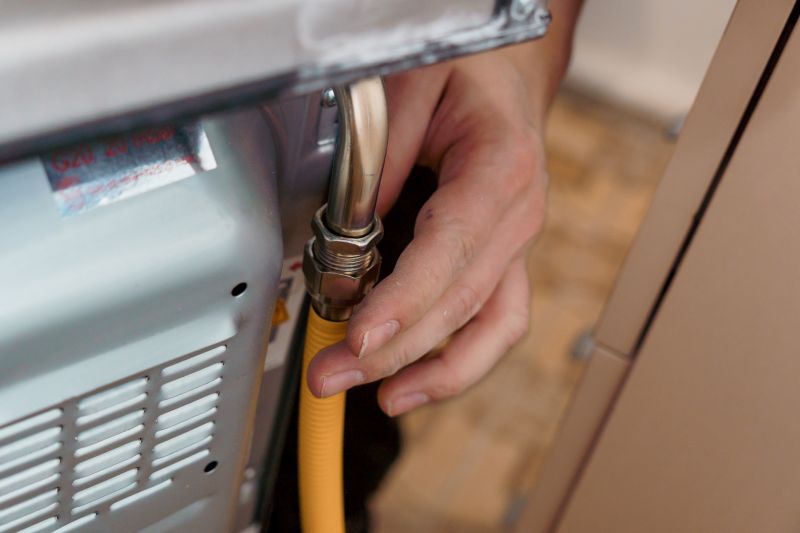
When evaluating service providers for gas line problem repair related to fireplace performance, it is important to consider their experience with similar projects. Homeowners should seek out local contractors who have a track record of handling gas line issues in residential settings, particularly those involving fireplaces. An experienced professional will be familiar with common causes of gas line problems and the best methods to address them effectively, helping ensure the repair is thorough and reduces the risk of future issues.
Clear written expectations are essential when comparing local contractors for gas line repairs. Homeowners should look for providers who are transparent about the scope of work, the materials they plan to use, and the estimated process involved. Having detailed, written information helps prevent misunderstandings and provides a basis for evaluating whether the contractor’s approach aligns with the homeowner’s needs. It also makes it easier to compare proposals and select a provider who offers clarity and professionalism.
Reputable references and effective communication are key factors in choosing a service provider for gas line problem repair. Homeowners are encouraged to request references from previous clients or review feedback to gauge the quality of the contractor’s work and their reliability. Good communication throughout the process ensures that questions are answered and concerns addressed promptly, fostering a smoother experience. When local contractors demonstrate transparency, responsiveness, and a history of satisfied clients, they are often better equipped to deliver dependable service that supports optimal fireplace performance.
Property owners often search for how gas line problems affect fireplace performance when they are planning practical projects around their homes and businesses. Local pros provide Gas Line Problem Repair services for everyday jobs and straightforward project options.
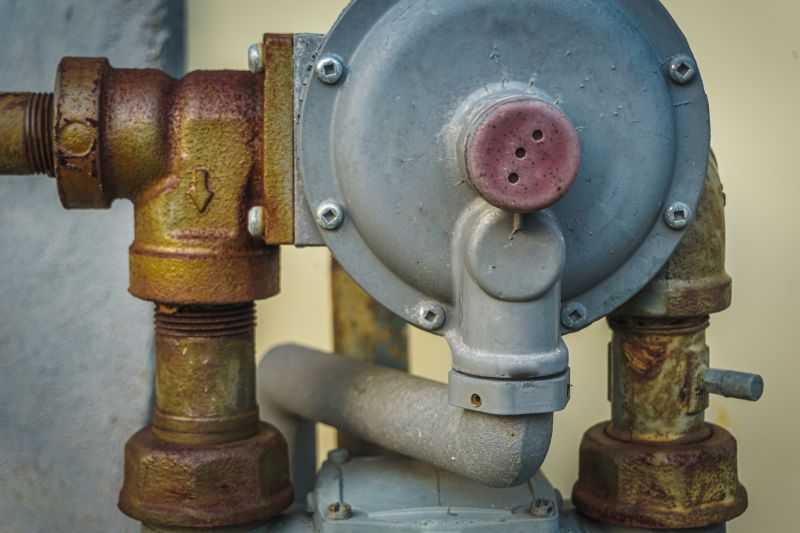
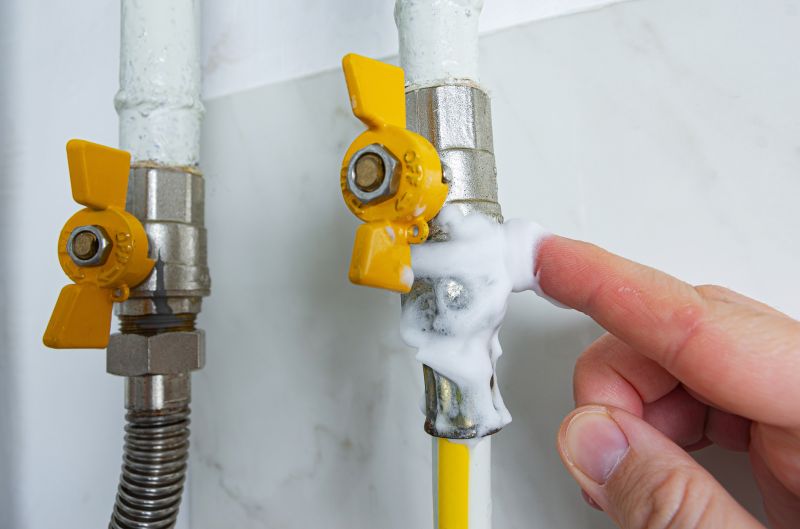
Gas line problems can significantly impact how well a fireplace performs, especially in homes where the fireplace relies on a steady and safe gas supply. Issues such as leaks, blockages, or corrosion in the gas lines may cause uneven flames, reduced heat output, or even complete failure to ignite. Property owners who notice irregularities like weak flames or strange odors often seek the expertise of local contractors to diagnose and resolve these problems, ensuring their fireplaces operate safely and efficiently.
Many property owners in the area look into gas line problem repair services when they experience persistent issues with their fireplaces or suspect a gas line concern. Whether installing a new gas line or fixing an existing one, local service providers can help address these problems to restore proper fireplace performance. Connecting with experienced local contractors can provide peace of mind that the gas system is functioning correctly and safely, preventing potential hazards and improving overall fireplace enjoyment.
How do gas line problems impact fireplace performance? Gas line issues can cause inconsistent or weak flames, reduce heat output, and lead to safety concerns such as leaks or blockages that affect overall fireplace operation. Local contractors can diagnose and repair these problems to restore proper function.
What are common signs of gas line problems in a fireplace? Signs include unusual odors, pilot light difficulties, fluctuating flames, or the fireplace not igniting at all. Professional service providers can identify the root causes and perform necessary repairs.
Why is it important to address gas line problems promptly? Ignoring gas line issues can lead to safety hazards like gas leaks or fire risks, as well as decreased fireplace efficiency. Local pros can quickly address these problems to ensure safe and optimal performance.
Can gas line problems cause the fireplace to produce excess carbon monoxide? Yes, blockages or leaks in the gas line can lead to incomplete combustion, increasing the risk of carbon monoxide production. Service providers can inspect and fix gas lines to prevent this danger.
How do repair services improve fireplace performance affected by gas line issues? Gas line repairs help ensure proper gas flow, reliable ignition, and safe operation, which collectively enhance the fireplace’s efficiency and safety. Local contractors can perform these repairs to restore optimal performance.
Understanding gas line issues - property owners can learn how gas line problems impact fireplace efficiency and plan repairs with local contractors.
Detecting performance signs - recognizing symptoms like inconsistent flames or odors helps identify when gas line repairs are needed.
Scheduling inspections - arranging for professional gas line assessments ensures fireplace performance is maintained and problems are addressed early.
Ensuring proper repairs - working with experienced service providers helps restore safe and reliable fireplace operation after gas line issues are identified.
If you are thinking about how gas line problems affect fireplace performance for a property, this guide is meant to help you understand this topic, the typical project types, and how different options might fit your plans.
When you are ready, you can use the quote form on this page to share a few details about your project. From there, local pros can review the basics and follow up with options that match what you have in mind.